PADI Scuba Certification: Your Gateway to the Underwater World
DIvING course

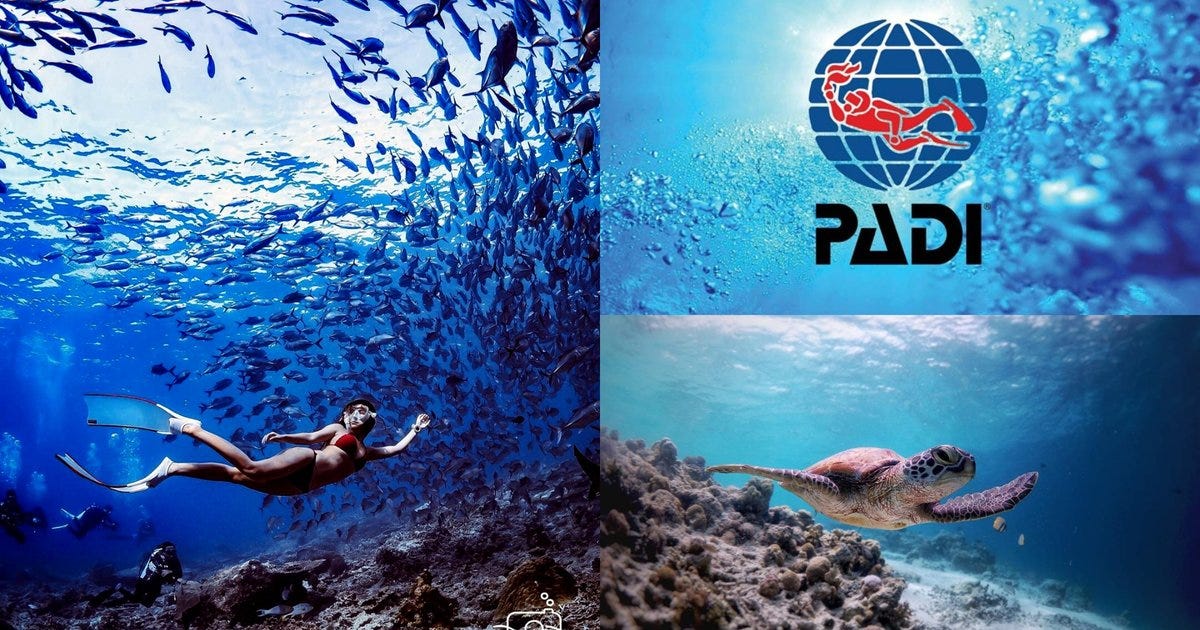
There is a world beneath the waves that most people will never see. It is a realm of vibrant coral gardens, silent creatures gliding through blue, and a weightlessness that feels almost like flying. For those who have experienced it, scuba diving is not merely a sport it is a passion, a calling, an addiction to the deep. For those who have not, the path begins with a single step: certification.
The Professional Association of Diving Instructors (PADI) is the world’s leading scuba training organization, offering globally recognized certifications that open the door to underwater exploration. Whether you are a complete beginner or an experienced diver seeking professional-level training, PADI provides a structured, respected pathway to competence and confidence beneath the surface .
The Certification Ladder: From Beginner to Pro
PADI’s certification system is designed as a progressive ladder, each level building on the skills and knowledge of the previous one.
Open Water Diver is the entry-level certification, the gateway through which most divers begin their journey. Upon completion, you are qualified to explore the underwater world with a buddy to a maximum depth of 18 meters . The course covers basic dive theory, equipment use, and essential safety skills. It typically takes three to four days and includes a combination of theory (completed online or in a classroom), confined water training (pool), and open water dives .
Advanced Open Water Diver builds on the foundation, enhancing skills and confidence while allowing deeper dives up to 30 meters . The course introduces divers to different specialties, such as deep diving, navigation, and night diving, giving them a taste of the breadth of possibilities that scuba offers .
Rescue Diver shifts the focus from personal diving skills to safety and accident prevention. This course teaches divers to recognize and respond to diving emergencies, both for themselves and for others. It is a challenging but rewarding step that transforms a diver from a competent participant into a capable leader in underwater safety .
Beyond these core levels, PADI offers a wide range of specialty courses . Enriched Air (Nitrox) , for example, allows divers to extend their bottom times by using gas mixtures with higher oxygen content. Other specialties include wreck diving, drift diving, underwater photography, and many more. For those who wish to turn their passion into a profession, PADI offers Divemaster and Instructor certifications, leading to careers in dive instruction and dive center management .
Getting Certified in Malaysia
Malaysia is blessed with world-class dive sites from the coral reefs of Sipadan to the clear waters of Perhentian and Tioman Islands. But certification does not require traveling to the coast. In the Klang Valley, several PADI 5-star centers offer full certification courses, handling the pool sessions locally and arranging open water dives at coastal locations.
Flow Dive Center in Petaling Jaya and Nautilus Dive Centre in Kuala Lumpur are two well-regarded options . Both are PADI 5-star centers, meaning they meet the highest standards for instructor qualifications, facilities, and safety.
The training process is standardized across all PADI centers:
Theory : Completed online via PADI eLearning or in a classroom. eLearning allows students to study at their own pace, fitting the coursework around their schedules .
Pool training : Conducted in a controlled environment to practice basic skills such as mask clearing, regulator recovery, and buoyancy control.
Open water dives : Usually conducted over a weekend at a coastal dive site, where students demonstrate their skills under the supervision of an instructor.
The entire process typically takes three to four days , though schedules can be stretched or compressed depending on availability and student needs .
Requirements and Prerequisites
Scuba diving is accessible to most people, but there are basic requirements:
Age : Minimum 10 years old for Open Water Diver (Junior certification for those under 15).
Health : A medical questionnaire must be completed. Certain conditions (asthma, epilepsy, heart conditions) may require physician clearance.
Swimming ability : Basic swimming skills and the ability to float or tread water for 10 minutes are required .
Why PADI?
The primary advantage of PADI certification is its global recognition . PADI certification cards are accepted at dive centers, resorts, and liveaboards around the world. When you present your PADI card in the Maldives, the Great Barrier Reef, or the Red Sea, dive operators know exactly what you have been trained to do .
PADI’s eLearning platform allows students to complete the theory portion online before ever stepping into a pool, saving time and allowing more flexibility. The material is clear, well-organized, and accessible, with videos, quizzes, and interactive elements that reinforce learning .
For those who dive regularly, the PADI Club offers additional benefits, including 20 percent off select eLearning courses and a free ReActivate scuba refresher a program for certified divers who have been out of the water for a while and want to brush up on their skills before their next trip .
Scuba diving opens a window to a world that most people will never experience. It is an activity that combines adventure, physical challenge, and a profound connection to the natural environment. But it also requires training. The underwater world is not inherently hostile to humans, but it is not our natural habitat. Learning to navigate it safely is not optional; it is essential.
PADI certification provides the training, the structure, and the global recognition that allows divers to explore with confidence. Whether you are taking your first breaths underwater or preparing to lead others into the deep, PADI offers a clear, respected pathway.
The ocean is waiting. The only question is whether you will take the first step. For those ready to answer the call, certification is the key and PADI is the locksmith.
It’s a great way to see other parts of the world. I’ve enjoyed cave diving, while unique, I’ve found it a bit nerve wracking. Open water dives or even just free diving are wonderful experiences