Used Car Prices Rise to Highest Level Since Summer 2023
Affordable cars

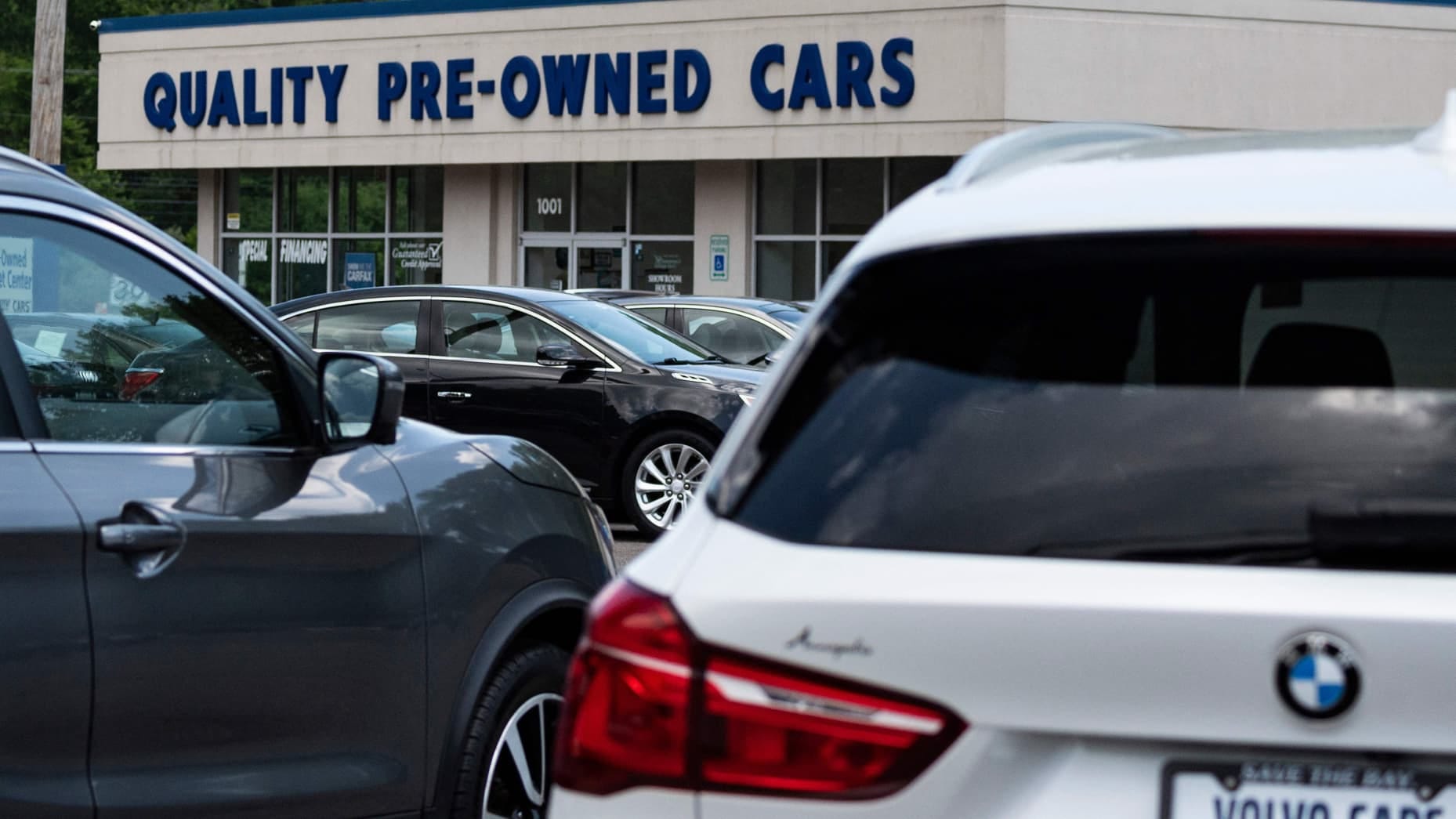
If you have been shopping for a used car lately, you have likely noticed a trend that your wallet will not appreciate: prices are climbing. A closely watched industry barometer has confirmed what many buyers already suspected the cost of used vehicles has reached its highest point since the summer of 2023 .
Cox Automotive’s Manheim Used Vehicle Value Index , which tracks prices of used vehicles sold at wholesale auctions in the United States, increased 6.2 percent in March compared with the same month last year . The index is a leading indicator; what happens at wholesale auctions eventually filters down to retail lots, where consumers pay the final price.
“Demand for used vehicles remains strong despite geopolitical tensions, high gas prices and the Iran war,” Cox Automotive’s chief economist, Jeremy Robb, said in a release . The expectation had been that the Middle East conflict might dampen consumer appetite for big-ticket purchases. So far, that has not happened. “But that may still happen,” Robb cautioned. “Right now, the data is clear: used-vehicle demand is healthy and inventory levels are relatively tight” .
Why Prices Are Rising
The dynamics driving used car prices upward are straightforward: demand is high, and supply is constrained .
On the demand side, new vehicles have become increasingly unaffordable. The average listed price of a new vehicle now exceeds $49,100 , pushing many buyers into the used market . For those who need a car but cannot stretch to new-car payments, used vehicles are the only option.
On the supply side, the pipeline of used cars entering the market is restricted. Lower new-vehicle sales mean fewer trade-ins, and fewer trade-ins mean fewer used cars available for sale . It is a self-reinforcing cycle: consumers hold onto their cars longer because new cars are expensive, which reduces the supply of used cars, which pushes used prices higher, which makes new cars feel relatively less expensive but still out of reach for many.
Cox reports that days’ supply for used vehicles a measure of how long current inventory would last at current sales rates fell below 40 days in March. That is the lowest point in 2026 and down from year-ago levels . Tight supply puts upward pressure on prices, plain and simple.
What This Means for Buyers
Retail prices for consumers traditionally follow changes in wholesale prices. Cox forecasts that wholesale prices will rise at a historically stable rate of about 2 percent this year , which will translate into higher prices at dealership lots .
The average listed price of a used vehicle was $25,287 as of February still roughly half the price of a new vehicle, but significantly higher than just a few years ago . For buyers on a budget, the gap between new and used is narrowing, making the decision more complicated.
Cox has slightly increased its forecast for used vehicle sales this year to 20.4 million units , up from a previous estimate of 20.3 million . The upward revision reflects stronger-than-expected demand in the first quarter. However, the company expects softer sales during the second half of the year, with total used vehicle sales for all of 2026 projected to decline by about 1 percent compared with 2025 .
The Broader Context: New Vehicle Affordability
The underlying driver of used car price trends is the same factor that has reshaped the auto industry over the past several years: new vehicle affordability pressures . As new cars have become more expensive due to a combination of higher interest rates, increased feature content, and supply chain disruptions consumers have been pushed downmarket into used vehicles .
This shift creates a feedback loop. Stronger used demand pulls prices up. Higher used prices push some consumers back toward new vehicles, but many cannot afford the leap. Meanwhile, lower new-vehicle sales reduce the number of trade-ins entering the used market, constraining supply .
Cox expects new vehicle sales in the U.S. to hit about 15.8 million units this year , a figure that, while healthy by historical standards, remains below pre-pandemic levels . The shortfall is felt throughout the used market.
Used car prices are rising, supply is tight, and demand shows no sign of abating. For consumers, the timing is unfortunate: anyone who needs to buy a vehicle in the coming months will likely pay more than they would have a year ago. For those who can wait, the second half of 2026 may offer some relief, as Cox projects softer sales and potentially stabilizing prices.
But in the current market, certainty is elusive. The same geopolitical tensions and economic pressures that have driven used prices higher could also push them higher still. The only guarantee is that the used car market will continue to be a story of high demand, constrained supply, and rising costs a story that, for now, has no ending in sight.